
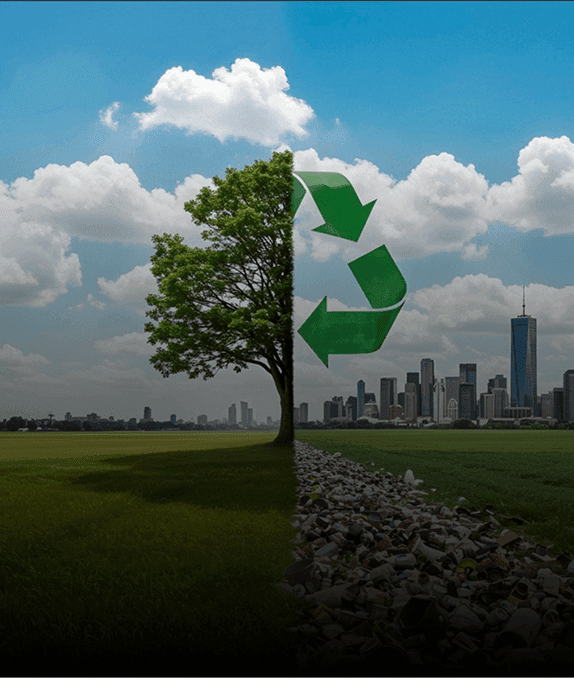
This study compares solid waste management practices across Alappuzha, Indore and Bhubaneswar, highlighting differences in source segregation, collection efficiency, and resource recovery.
Each city faces unique challenges — from population density to legacy infrastructure — yet they share a common goal: transitioning from linear disposal models to circular, community-driven approaches.
Key findings
- Decentralised composting at ward level reduces landfill load by up to 40%.
- Citizen education drives sustained participation far better than one-off campaigns.
- Formalising informal waste workers improves recovery rates and livelihoods.
Oriom's partnership with municipal bodies focuses on scaling these proven models to tier-2 and tier-3 cities across India.